
OpenAI Stole My Design
And I'm going to prove why it's a good thing for the future of AI
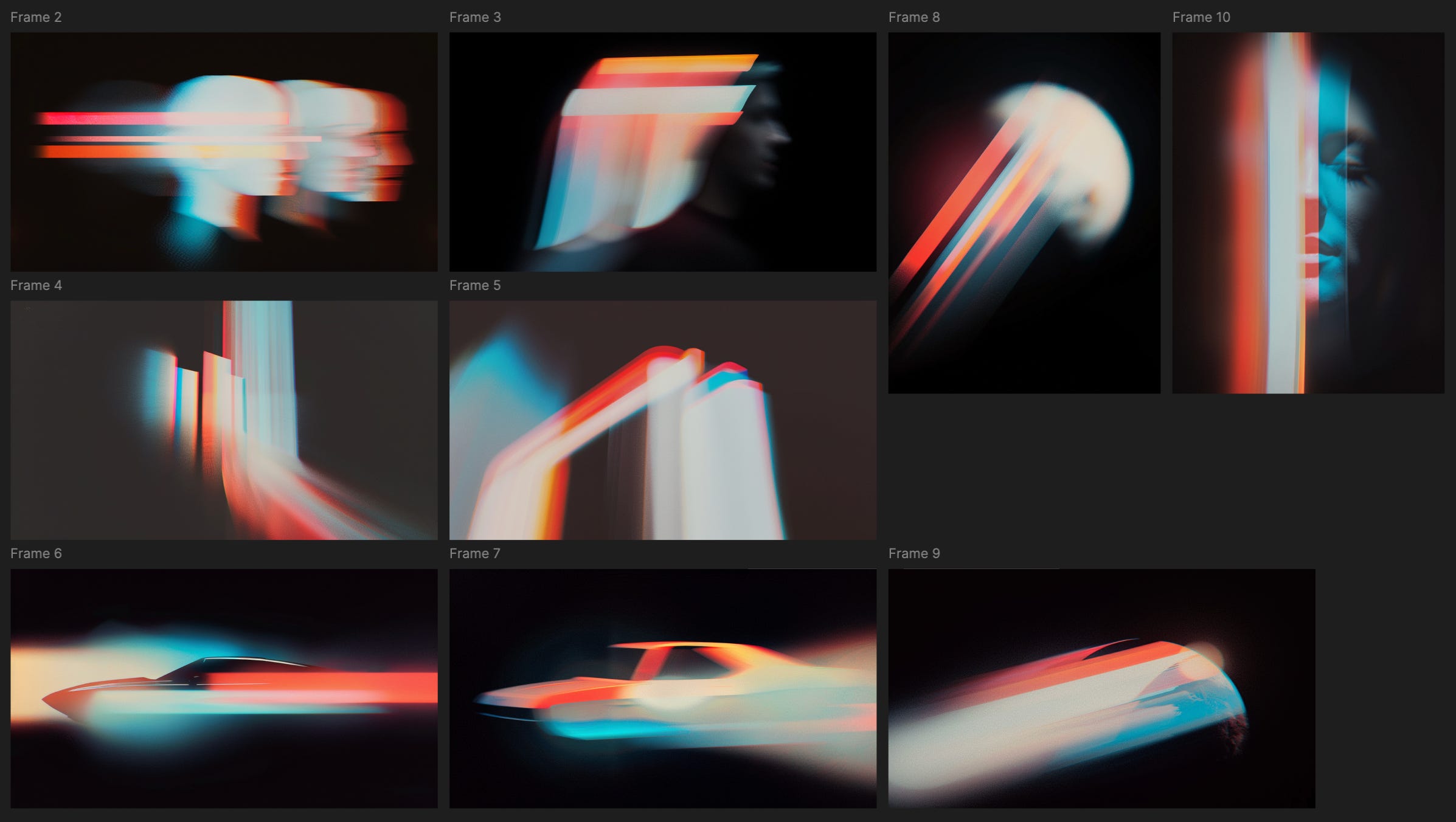
A few days ago, the OpenAI Academy unveiled a new visual identity. It was built on a familiar fusion of deep orange and violet gradients, layered with a distinct analog texture.
And it bore a striking resemblance to our own work.

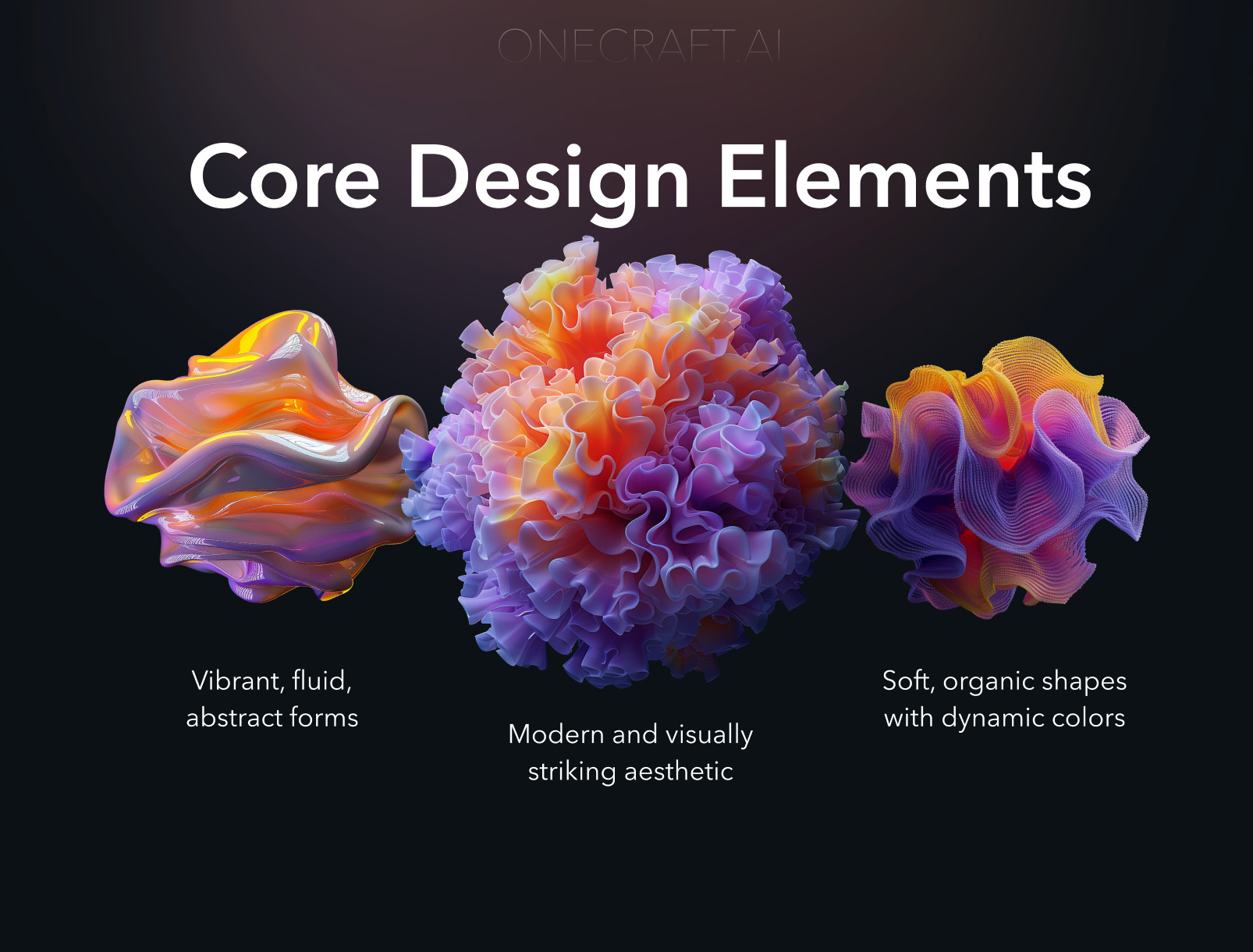
This aesthetic is almost a perfect echo of a visual system we engineered at DELO nearly a year ago for Onecraft, another AI company.
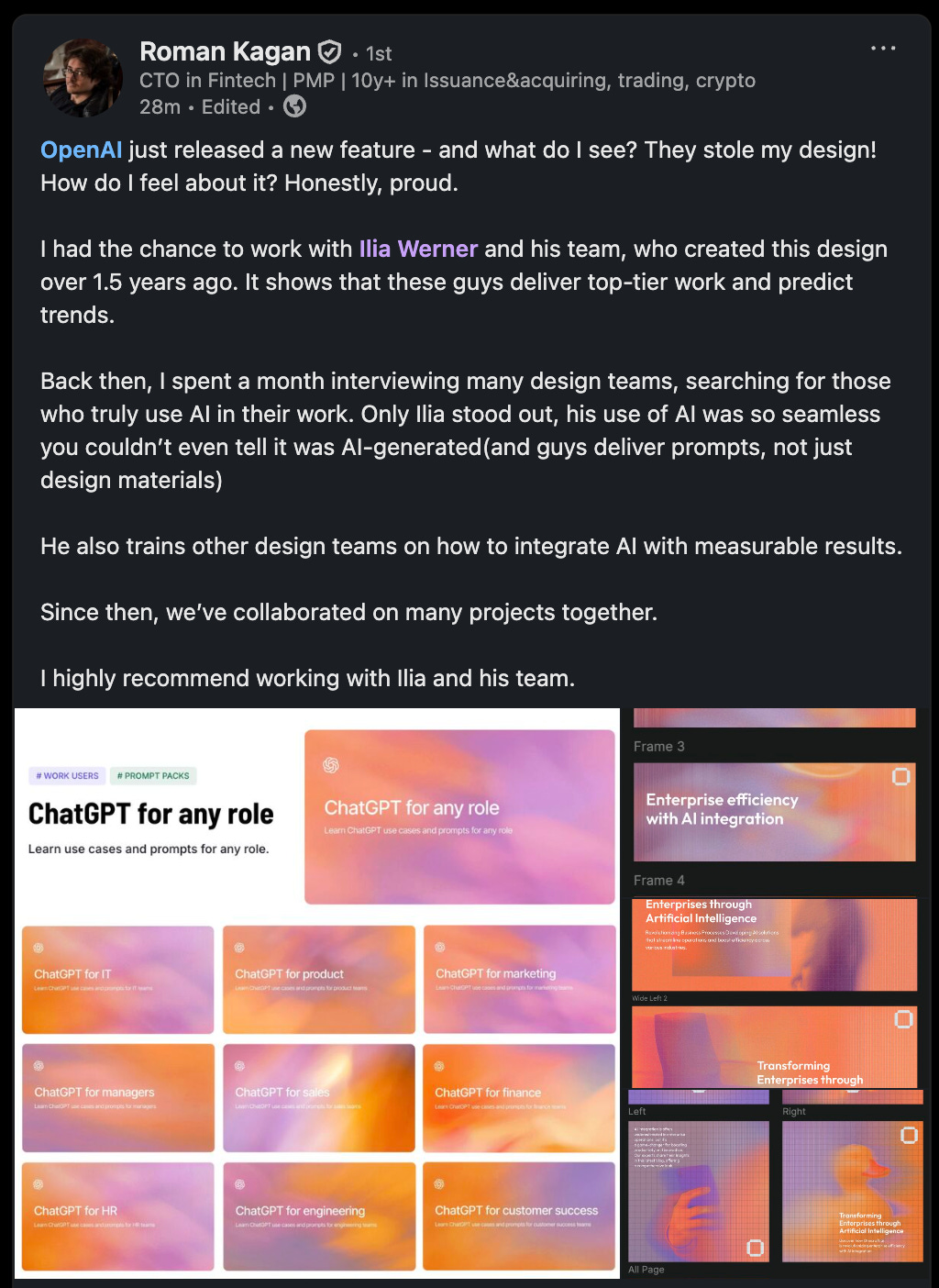
Of course, this isn’t a story about plagiarism. It’s about a far more fascinating phenomenon I call Aesthetic Convergence: the moment when independent designers, tackling the same foundational problems, arrive at uncannily similar solutions.
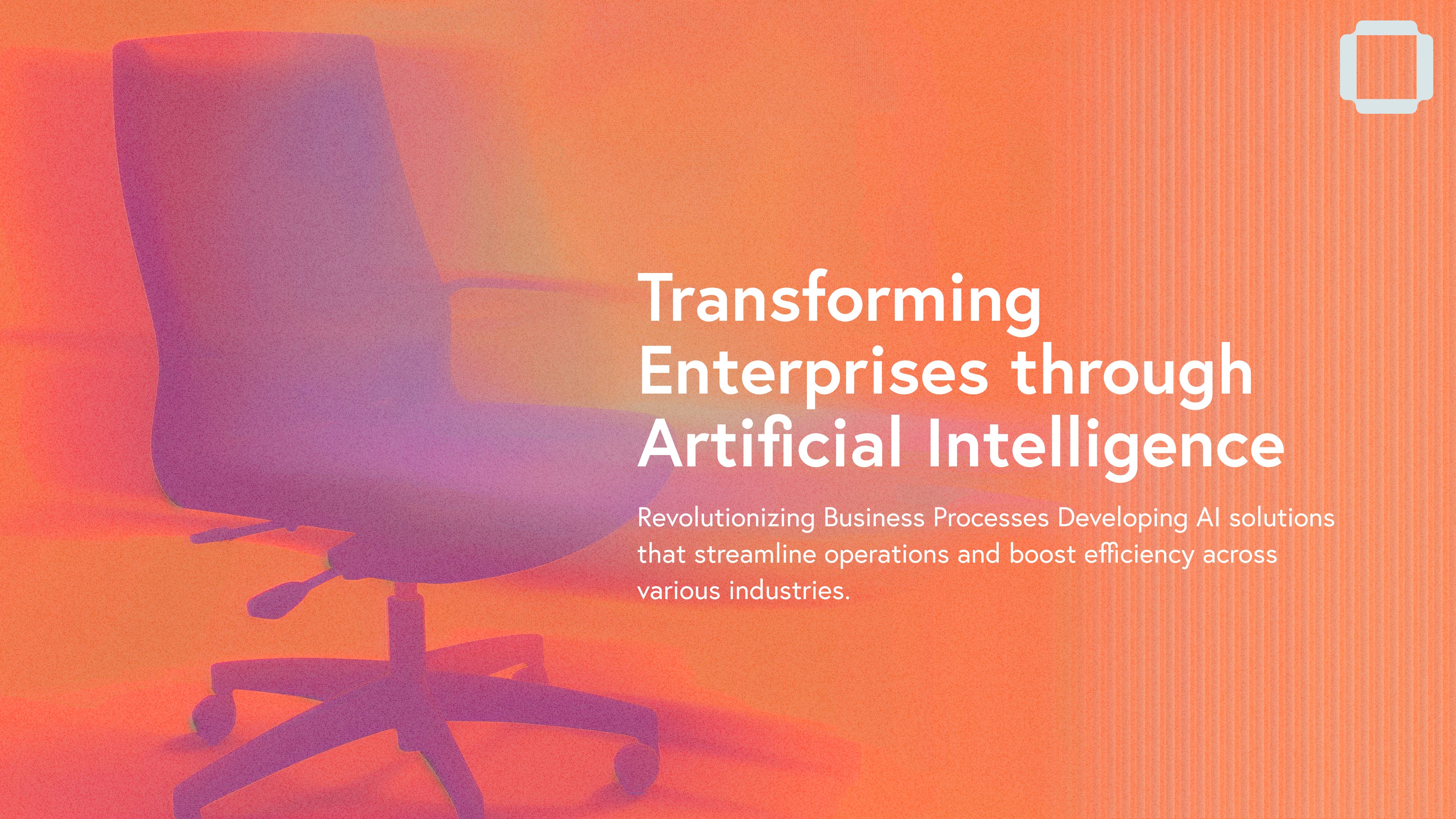
It’s not a coincidence, it’s a signpost. It forces us to ask a deeper question: what makes this specific blend of vintage warmth and digital glitch such a compelling language for these two AI-focused brands?
Our task for the Onecraft style was to build an engine for communication. The core challenge was to create a visual language that was unique, infinitely flexible, and yet rigorously consistent, something a small team with no in-house designers could use to generate a universe of on-brand assets.
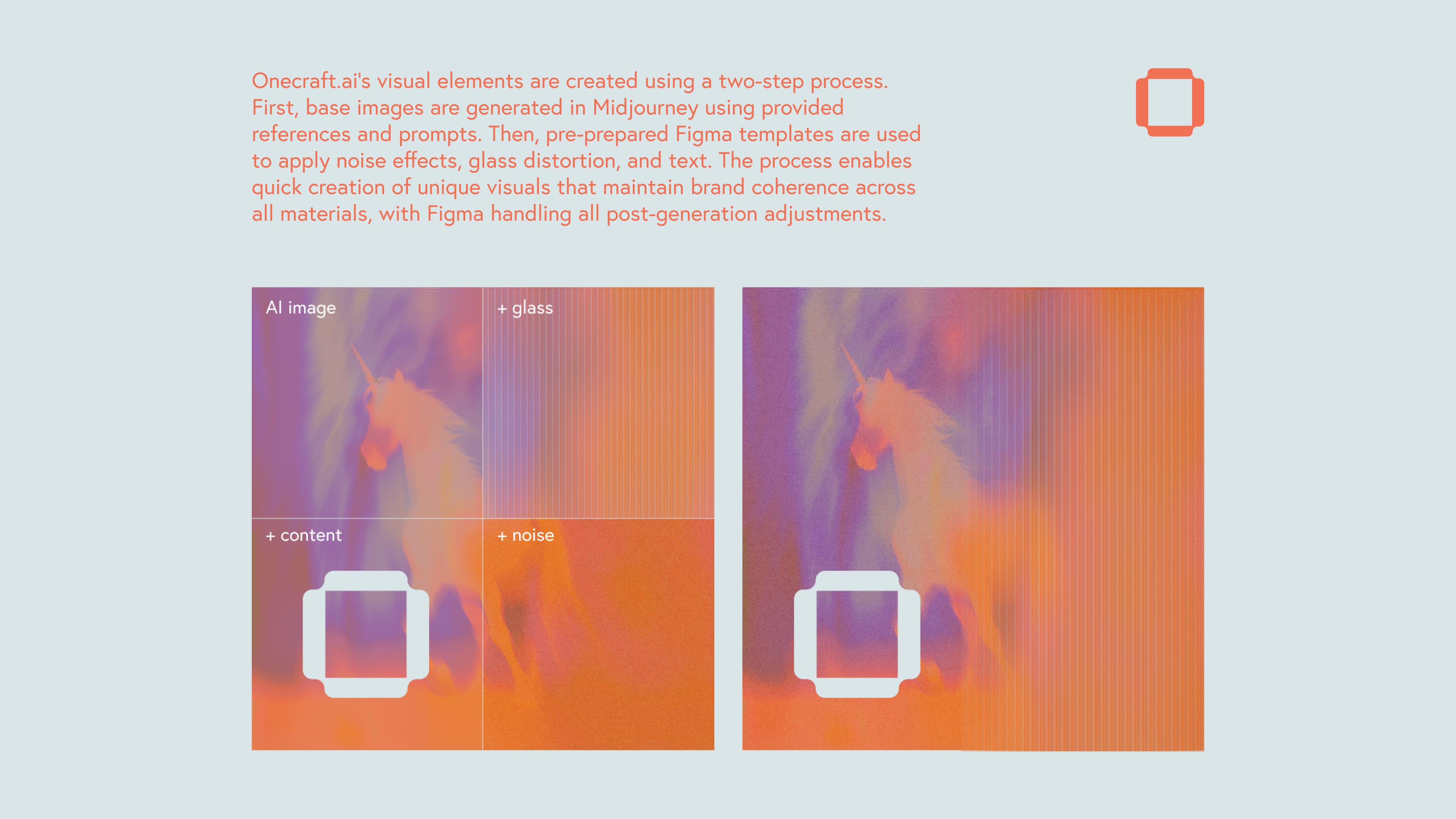
Our solution was built on three core pillars:
The Alchemic Prompt. Our process used Midjourney to generate raw, elemental materials. We engineered a source prompt that acted like a visual gene, encoding the specific color palette of orange and violet but leaving the subject matter entirely free. It was an assembly line for the atomic units of our visual world.
The Textural Anchor. We developed a single, universal noise texture to be overlaid on every single image. Its function was twofold. First, it injected a dose of analog humanity, a nostalgic warmth to counteract the cold, abstract nature of AI. More importantly, it served as the aesthetic gravitational center, the constant force holding together a diverse array of generated objects into a single, cohesive universe.
The Physics of Abstraction. To avoid falling into simple retro pastiche, we introduced a ribbed glass effect. But we deliberately broke the laws of physics. Its gradient transparency and impossible distortions served as a constant reminder that you are not looking at a simulation of reality, but a digital interpretation of it.
So, why did OpenAI’s design team arrive at a similar destination? With all respect to their talented team, their goal was likely tactical: to create a consistent look for their Academy content. Their application is effective, but narrower. Our approach for Onecraft was born from a deeper, foundational need to build a comprehensive brand philosophy from the ground up.
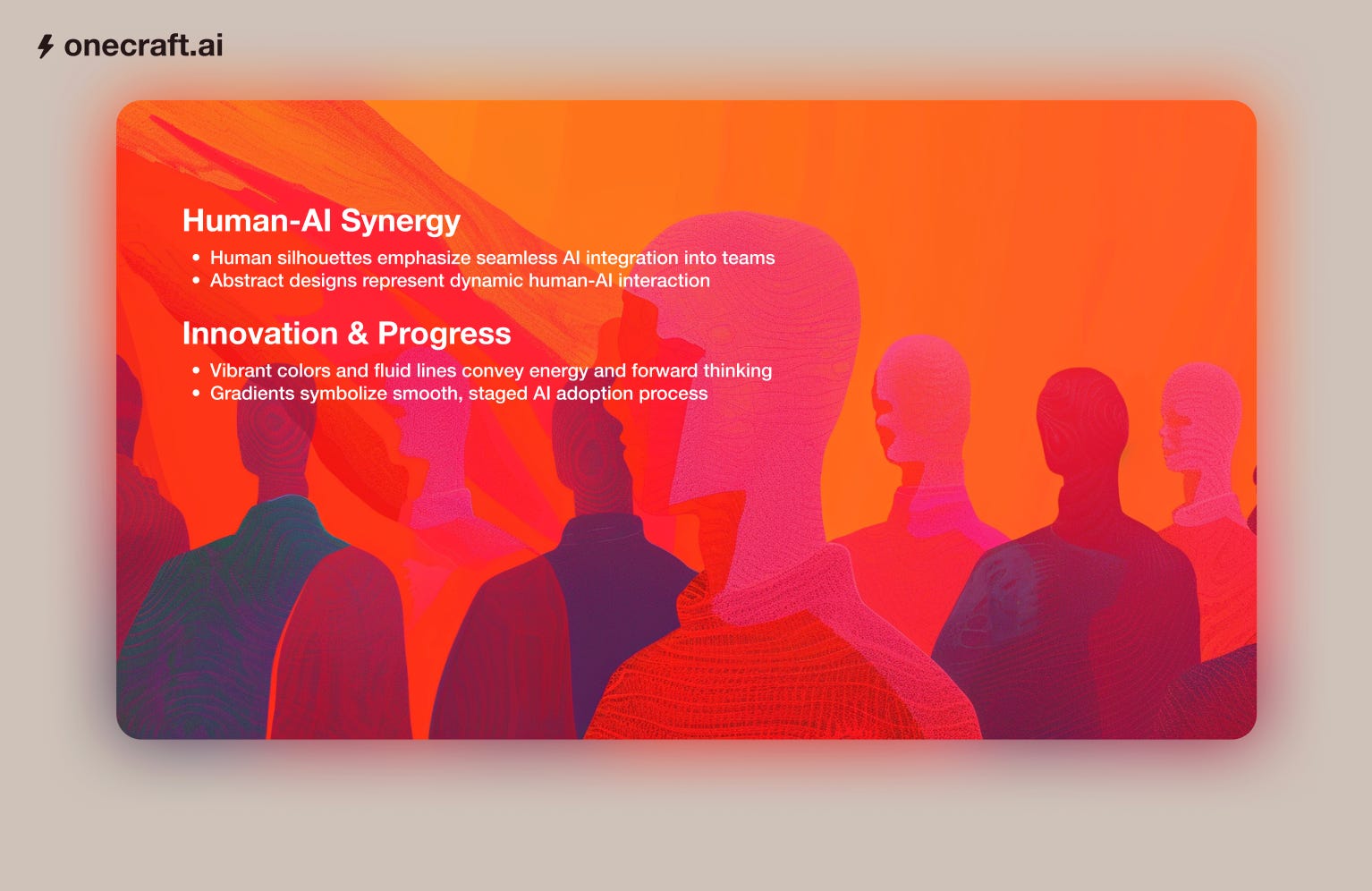
The convergence is what’s fascinating. It suggests that when designing for AI, certain aesthetic principles are almost inevitable because great design is a practice of synthesis across psychology, culture, and technology. AI evokes a profound paradox in the human mind, a mix of futuristic awe and deep-seated anxiety. Therefore, its visual language must also be a paradox.
It must feel Human: hence the analog noise and warm colors.
It must feel Superhuman: hence the digital glitches and impossible physics.
It must feel Intelligible: hence the simple, archetypal objects at its core.
This entire episode served as a powerful confirmation of a long-held belief. My unique strength is the synthesis of deep, cross-disciplinary research with the craft of design. My understanding of philosophy, history, and brain-science allows me to uncover the foundational principles upon which great brands and products are built.
It’s this same skill that has drawn you here, a discerning audience that prefers university-level discourse. I believe the people who watch my videos understand the depth I bring to every subject. If this approach to design thinking resonates with you, and if you’re building a product that requires a soul, not just a skin, then I invite you to explore working together.
I’ve launched a new focus for my studio where, instead of offering design execution, I’m developing Your Product’s Guiding Design Philosophy. It’s a strategic map for your brand’s soul.
You can see more at my studio’s new website: delo.studio
Other approaches looked good too. But we needed something with strong foundation.
See you in the next video!
Ilia Werner